What Is Mindfulness-Based Therapy?
Mindfulness-based therapy integrates traditional mindfulness meditation practices with modern psychological approaches. The two primary evidence-based programs are Mindfulness-Based Stress Reduction (MBSR), developed by Jon Kabat-Zinn, and Mindfulness-Based Cognitive Therapy (MBCT), which combines mindfulness with cognitive therapy principles. These approaches teach individuals to observe their thoughts and feelings without judgment, develop present-moment awareness, and break free from automatic patterns of negative thinking. Research has shown that regular mindfulness practice can produce measurable changes in brain structure and function associated with improved emotional regulation.
Who Can Benefit from Mindfulness-Based Therapy?
Mindfulness-based therapy is beneficial for individuals dealing with stress, anxiety, depression recurrence, chronic pain, insomnia, emotional reactivity, and burnout. It is particularly effective for preventing depressive relapse in people who have experienced three or more episodes. It also benefits those seeking general well-being improvement, better emotional regulation, enhanced focus and concentration, and greater self-awareness. Healthcare professionals, educators, and others in high-stress occupations also benefit from mindfulness-based approaches.
Common Mindfulness-Based Therapy Techniques
- Body scan meditation for awareness and relaxation
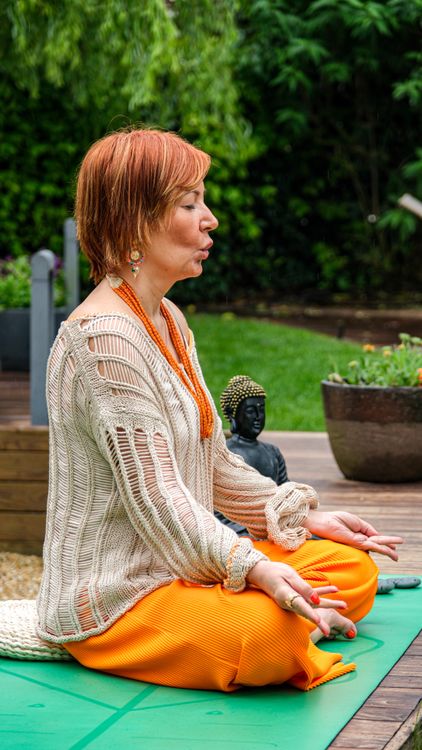
- Seated mindfulness meditation
- Mindful breathing exercises
- Mindful movement and walking meditation
- Loving-kindness and self-compassion meditation
- Three-minute breathing space for daily practice
Benefits of Mindfulness-Based Therapy
When to Seek Mindfulness-Based Therapy
Consider mindfulness-based therapy if you experience chronic stress, recurring depression, difficulty managing emotions, or feel disconnected from the present moment. It is also worthwhile if you are interested in preventive mental health practices. A trained mindfulness therapist can guide your practice and help integrate mindfulness into your therapeutic work. Note that mindfulness may not be appropriate as a standalone treatment for acute trauma or severe psychiatric conditions — consult a professional for personalized guidance. Our article on vitamins that help with stress and anxiety also covers complementary lifestyle approaches alongside mindfulness practice.