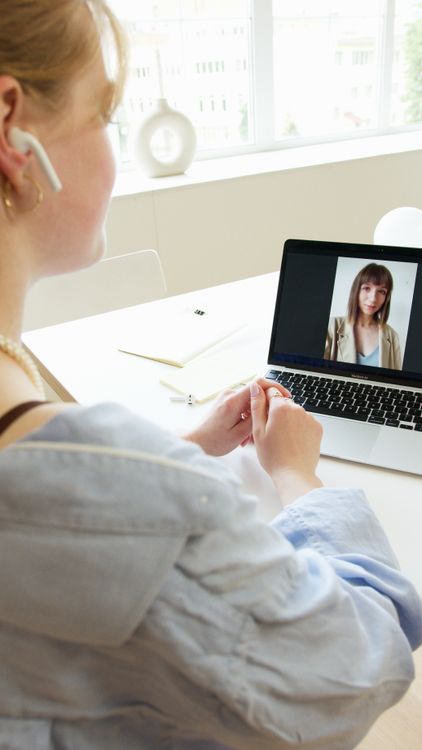
The Rise of Online Therapy
Online therapy, also known as teletherapy or telemental health, has experienced unprecedented growth in recent years. While video-based therapy existed before 2020, the COVID-19 pandemic accelerated its adoption dramatically, transforming it from an alternative option to a mainstream mode of mental health service delivery. Today, millions of people access therapy through video calls, phone sessions, messaging platforms, and app-based programs. This shift has prompted important questions about whether online therapy is truly as effective as traditional in-person sessions.
What the Research Shows
A growing body of research suggests that online therapy can be as effective as in-person therapy for many conditions. A comprehensive meta-analysis published in the Journal of Affective Disorders found that internet-based CBT produced similar outcomes to face-to-face CBT for depression and anxiety disorders. Studies published in the Journal of Medical Internet Research have demonstrated effectiveness for PTSD, social anxiety, panic disorder, and insomnia. The American Psychological Association has acknowledged that telepsychology services can provide effective treatment when implemented appropriately, and numerous professional organizations have issued guidelines supporting its use.
Benefits of Online Therapy
Online therapy offers several practical advantages. It eliminates geographical barriers, making specialized therapists accessible to people in rural or underserved areas. It removes transportation challenges and reduces time commitment, making it easier to fit therapy into busy schedules. For individuals with mobility issues, social anxiety, or agoraphobia, online therapy provides a more comfortable entry point. It can also feel less stigmatizing for those who are hesitant about being seen entering a therapist's office. Additionally, online therapy often provides more scheduling flexibility, including evening and weekend appointments.
Limitations and Considerations
Despite its benefits, online therapy has limitations worth considering. Technology issues such as poor internet connections can disrupt sessions. Some therapeutic modalities that rely heavily on nonverbal communication or body-based approaches may be less effective online. Crisis situations may be more challenging to manage remotely. Privacy concerns exist, particularly for individuals who lack a private space at home. Online therapy may be less suitable for severe mental illness, active substance use disorders, or situations requiring immediate safety intervention. It's important to discuss these factors with your provider to determine whether online therapy is appropriate for your specific needs.
Making Online Therapy Work for You
If you choose online therapy, several strategies can maximize its effectiveness. Create a private, comfortable space for your sessions where you won't be interrupted. Test your technology beforehand to minimize disruptions. Treat online sessions with the same commitment as in-person appointments—arrive on time, minimize distractions, and engage fully. Be open with your therapist about any challenges you experience with the online format. And remember that it's okay to switch to in-person sessions if you find that online therapy isn't meeting your needs. The most important factor in therapy effectiveness is the quality of the therapeutic relationship, regardless of the format.